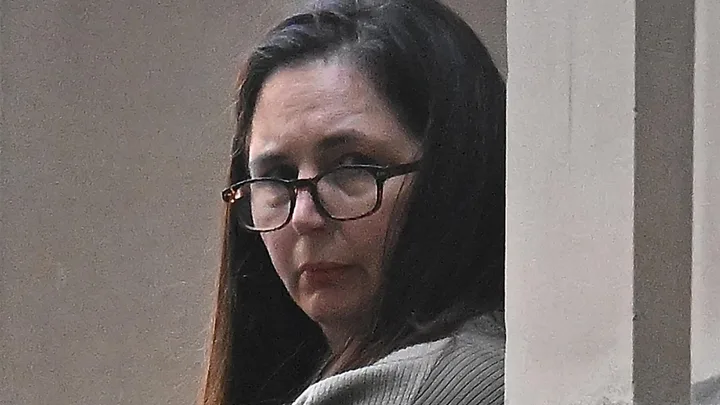
The scene that played out in the home of Erin Patterson is one that happens in households across Australia every weekend.
Except when the mother-of-two invited some relatives around for a Sunday roast lunch in July 2023, three people wound up dead while another spent weeks in hospital fighting for his life.
What was the verdict in Erin Patterson’s trial?
Following a nine-week trial and seven days of deliberations, the small courthouse in Latrobe Valley’s Morwell was packed to the brim on July 7, 2025, when the jury filed in to finally deliver their verdict after Patterson, 50, was accused of poisoning her in-laws with beef Wellingtons that were laced with deadly death cap mushrooms.
“At that moment there was a very tense feeling – you could hear a pin drop,” 7News court reporter Estelle Griepink, who was sitting just a metre away from Patterson in the courtroom, tells WHO. “When the jury walked in, there was no way to tell what way they were going to go, but none of them would look at Erin.”
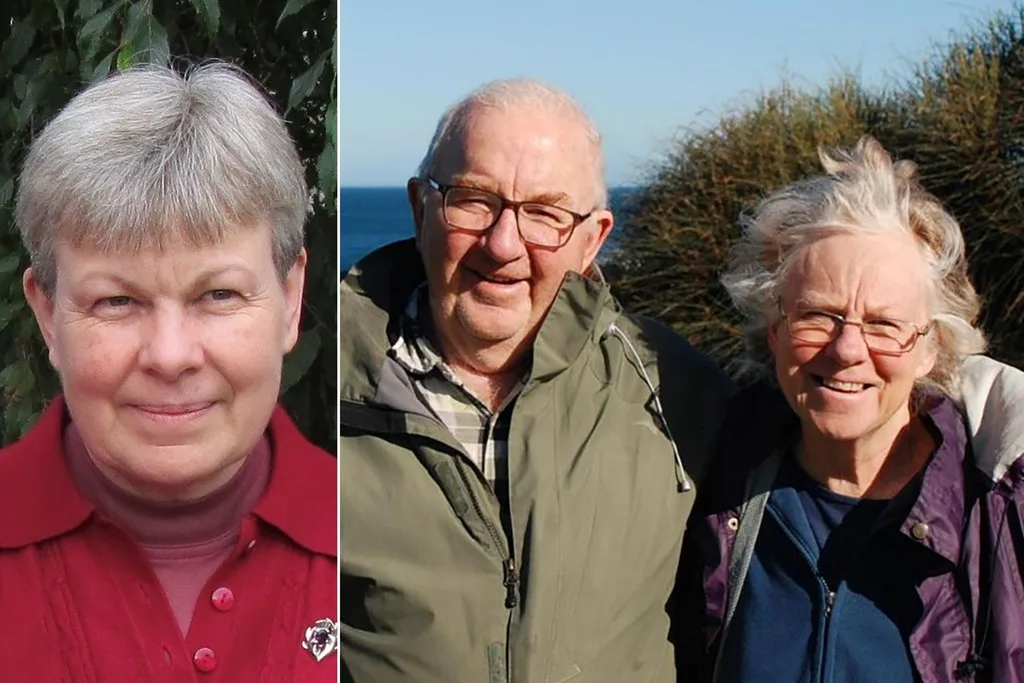


Patterson was found guilty of the murders of Don and Gail Patterson, both 70 – the parents of her estranged husband, Simon – and Gail’s sister, Heather Wilkinson, 66.
She was also found guilty of the attempted murder of Heather’s husband, Ian, who spent weeks in a coma following the lethal lunch that she served up in Leongatha on July 29, 2023.
“Every time the jury foreperson said ‘guilty’, I looked at Erin, waiting for her reaction,” Griepink shares. “It was very cold. She didn’t react. She just stared straight ahead.”
What did Erin Patterson lie about to police?
Patterson had taken to the witness box herself in a desperate attempt to convince the jury that the poisoning had been a terrible accident.
Under oath, she was grilled for eight days, admitting to having lied several times to police, including about whether the meal may have included mushrooms she had foraged.
She also admitted to lying about owning a dehydrator. CCTV captured her travelling to a local tip and disposing of it. When the kitchen appliance was found dumped at Koonwarra waste station, traces of the poison still lingered inside.
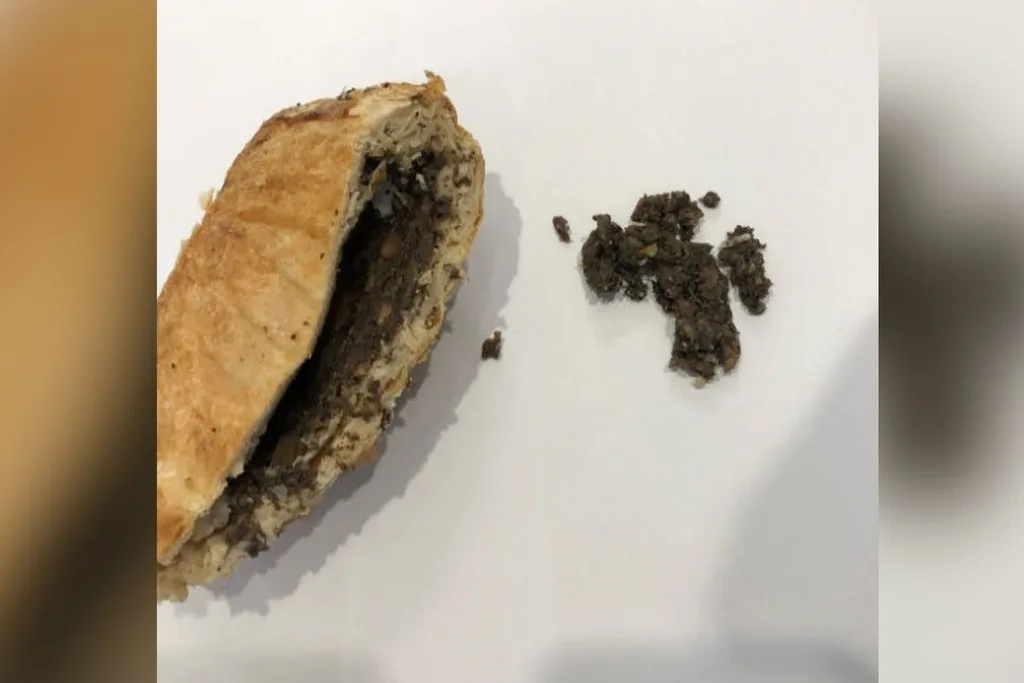
“Erin announced that she had cancer,” surviving victim Ian testified of the lunch. “She said that she was very concerned because she believed it was very serious, life-threatening.”
Again, it was another deception. Her lawyer told the jury that Patterson was “not on trial for being a liar”.
Patterson, who maintains her claims of innocence, is facing a sentence of up to life in prison. She heads back to court for a pre-sentence hearing later this year.
Where is Erin Patterson now?
After the verdict, she was returned to Dame Phyllis Frost Centre, a maximum-security women’s prison in Melbourne.
“The fact that tarps were placed around her home for privacy while the jury was deliberating shows there was some level of confidence within the defence team that she would be able to go home [after being found not guilty],” Griepink explains.
“She has already been in custody for almost two years and we know that isn’t going very well. There are reports of her not getting along well with the other prisoners.”
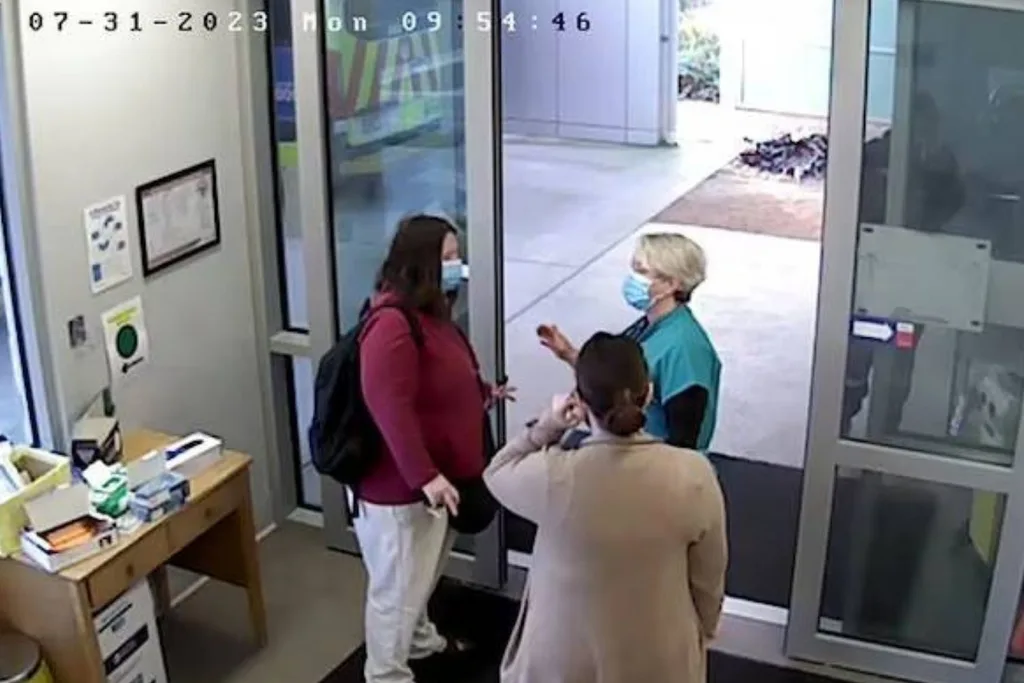
The case is one that has captured Australian and international attention. At least five crime podcasts were covering the trial, and now that it is over, the fascination continues.
Along with various documentary programs set to air on commercial and streaming channels, the ABC was the first to reveal they are working on a drama series called Toxic that is based on Patterson’s story.
Publishers have also announced that books The Mushroom Murders by Greg Haddrick and Recipe for Murder by Duncan McNab will be on shelves within months.
Despite labelling it as a “unique crime”, Griepink also believes the case is very relatable, which goes some way to account for the public’s fascination.
“There are a lot of regular people who’ve been lining up outside the courthouse for weeks, putting their jobs and lives on hold to watch the trial, and I’ve asked them why they keep coming back,” she explains.
“A lot of them say that we all sit down to meals with our family. People needed to know if it was an accident or if it was intentional.”